
How to recover your lawn after cyclone narelle
How to Recover Your Lawn
After Cyclone Narelle
If your lawn is looking worse for wear right now, you're not alone. As Ex-Tropical Cyclone Narelle tracked south along the WA coast last week, Perth and the surrounding suburbs copped significant rainfall - in some areas, more than 50–100mm fell in under 48 hours. For a city built on sandy coastal soils that drain quickly under normal conditions, that kind of sustained downpour creates a different set of problems than you might expect.
The good news is that Perth's sandy soils are actually well suited to recovery - once you know how to work with them. Here's what you need to do, in the right order.
Why Perth Lawns Behave Differently After Heavy Rain
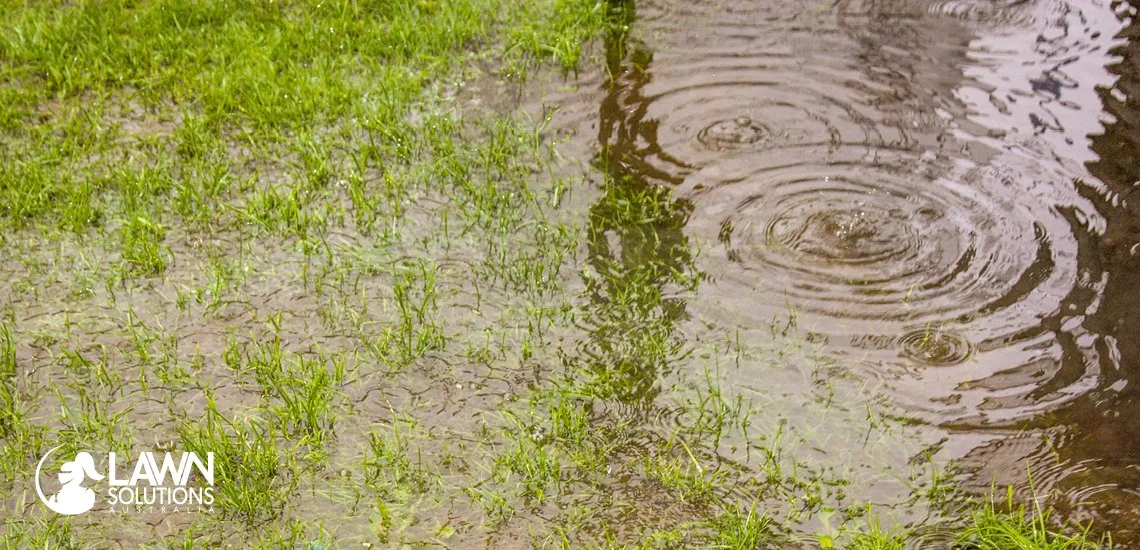
Most lawn care advice after flooding is written for heavier clay-based soils common in eastern states. Perth is different. Our soils are predominantly white sand - highly porous under normal conditions, which is why we need to water so often in summer. But there's a catch: that same sandy soil is prone to becoming hydrophobic.
When sandy soil dries out repeatedly over our hot summers, organic particles in the soil develop a waxy coating that actually repels water. During a rainfall event like Narelle - where large volumes of rain fall faster than the soil can absorb it - water sits on the surface and runs off rather than penetrating to the root zone. The result is that your lawn can look waterlogged on top while the roots are still dry underneath. It's counterintuitive, but it happens regularly in Perth gardens after intense rain events.
The other issue unique to our soils is nutrient loss. Sandy soils have almost no capacity to hold nutrients - they leach straight through. A sustained rainfall event will have flushed a significant amount of soluble nitrogen and potassium out of your lawn's root zone, which you'll need to replace once conditions settle.
Step-by-Step: Getting Your Lawn Back on Track
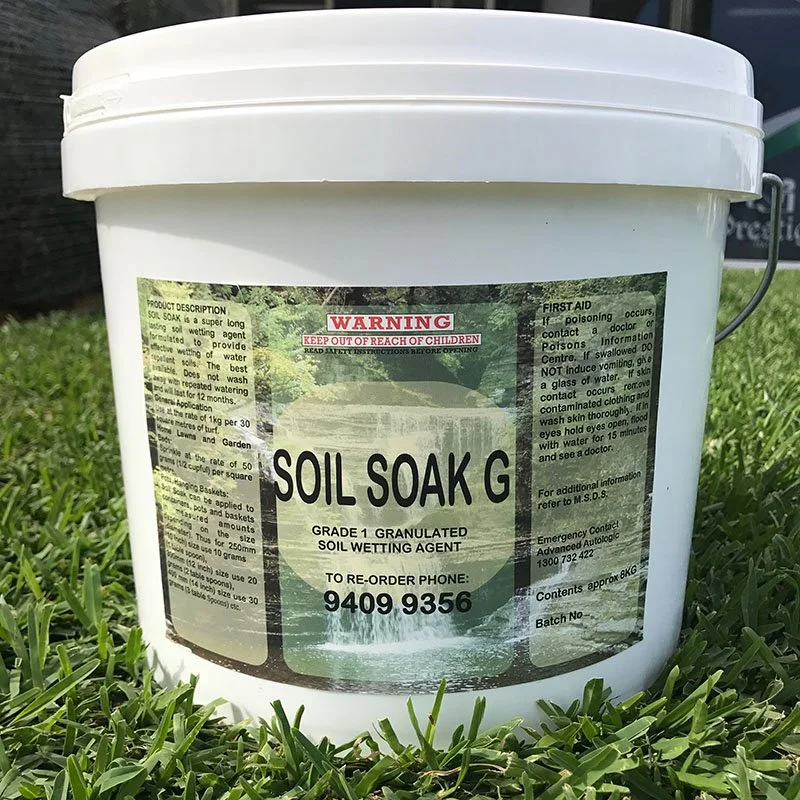 💦 Liquid
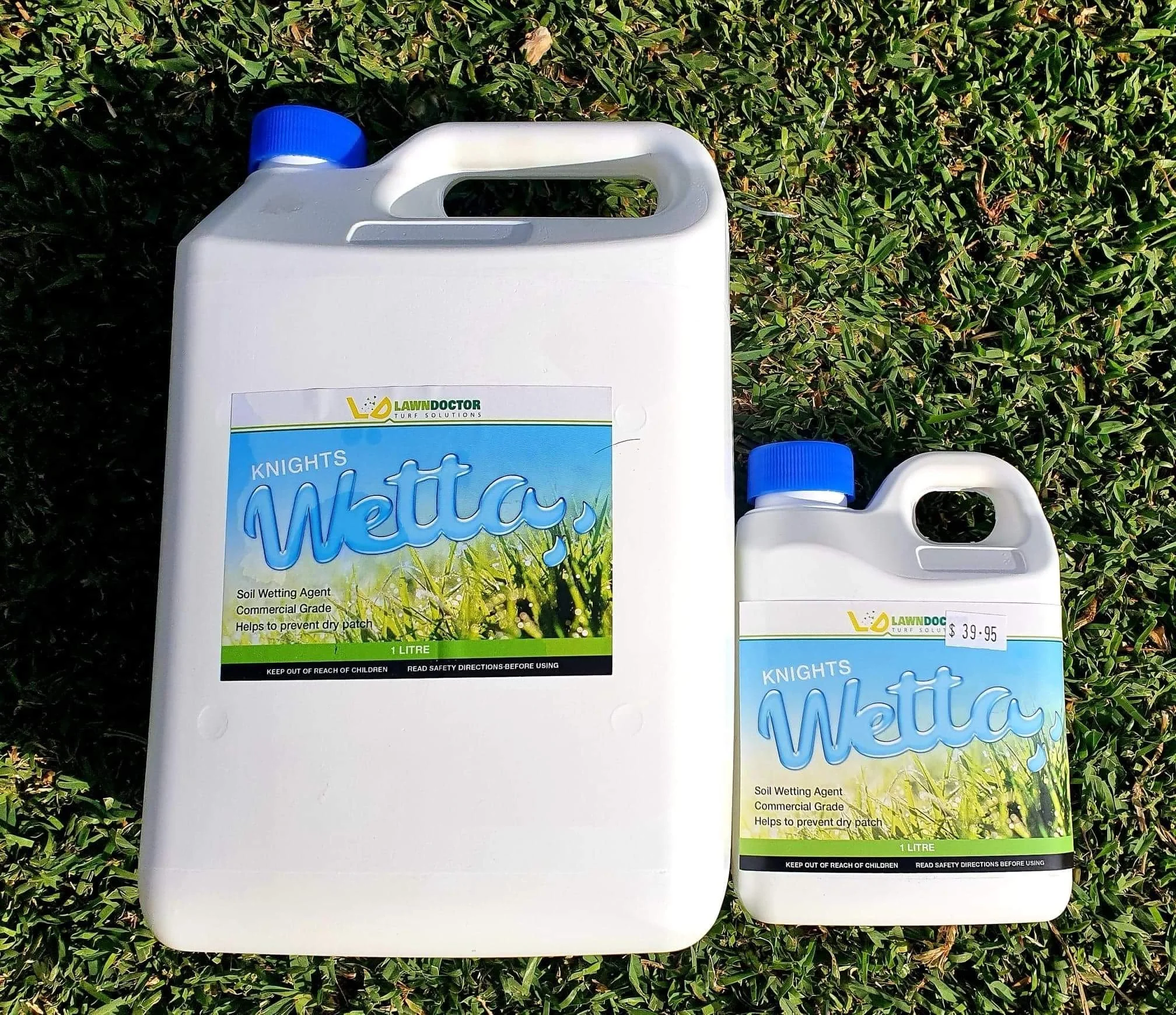 💦 Liquid
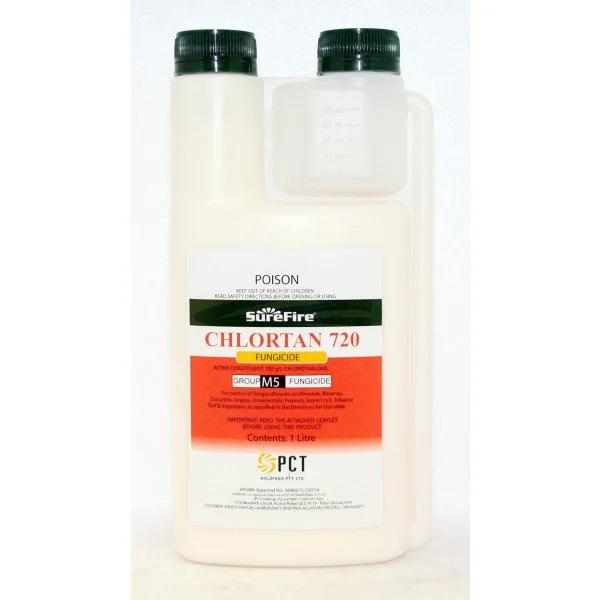 🍄 Contact
 🍄 Systemic
 🔅 Granular
 💦 Liquid
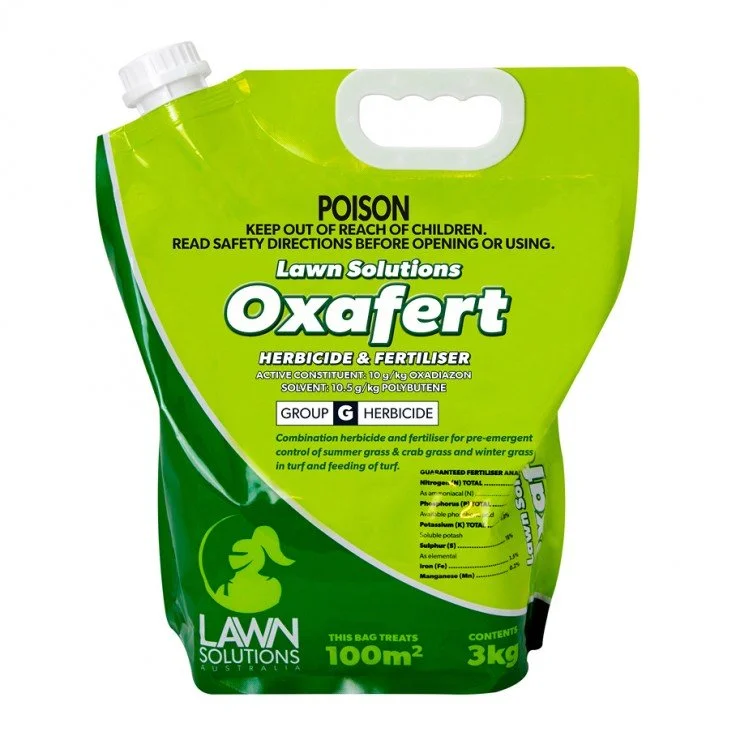 🔅 Granular · Pre-Emergent + Fertiliser
What About Waterlogging? Sandy Soils Drain Fast - But Not Always
One of Perth's advantages after an event like Narelle is that our sandy soils drain significantly faster than the clay soils in other parts of Australia. In most cases, surface pooling should clear within 24–48 hours of rain easing. If water is still sitting on your lawn three or more days later, you have a drainage issue that pre-dates Narelle and will need to be addressed separately - either through aeration, grading, or installing subsurface drainage.
If your lawn drains quickly but the grass still looks poor - pale, limp or straw-like - the problem is almost certainly hydrophobicity or nutrient depletion rather than waterlogging. This is where Perth gardeners need to think differently from the advice written for other states.
The Armyworm Risk After Narelle
One threat that's easy to overlook in the post-storm recovery period is armyworm. Cyclonic rainfall events and the warm, humid conditions that follow create ideal breeding conditions. Armyworm caterpillars feed at night and can strip a lawn bare surprisingly quickly - you often don't notice the damage until a large patch has already gone.
The soapy water test is the quickest way to check: mix a bucket of soapy water and pour it over a 30cm square of lawn. If armyworm is present, the larvae will surface within a few minutes. Check several spots across the lawn, particularly in sheltered areas that stayed moist during the rain.
How Each Variety Is Likely to Handle the Recovery
Sir Walter Buffalo
Sir Walter is one of the more resilient varieties in wet conditions due to its broader leaf blade and strong lateral growth habit. It will recover well once it can get sunlight back to the leaf and the soil moisture normalises. Watch for fungal disease particularly in shaded areas, as Buffalo holds moisture longer than couch varieties.
TifTuf Hybrid Couch
TifTuf's deep root system - one of its key strengths in drought conditions - also helps it access drier soil below a waterlogged surface layer. It can look worse before it looks better, as it goes semi-dormant under sustained stress. Get it mowing again as soon as possible to stimulate lateral growth and recovery.
Zoysia Australis
Zoysia is a slower-growing variety under normal conditions, which means recovery will be more gradual. The upside is that its dense, fine-textured canopy is relatively resistant to weed invasion - but you should still apply a pre-emergent once conditions settle, as the seeds washed in during Narelle will still be in the profile waiting to germinate.
Nullarbor Couch
Nullarbor Couch is well suited to Perth's conditions and handles wet-dry cycles better than many varieties. Like TifTuf, getting back into regular mowing is the single most effective thing you can do to stimulate recovery. Focus on the wetting agent and fertilise steps once you can see new growth.
The Short Version
Perth lawns after Narelle face two main challenges that are specific to our conditions: hydrophobic soil that looks saturated but won't absorb future water properly, and nutrient-depleted sandy soil that needs replenishment once the lawn is visibly recovering. The steps above address both, in the right order.
Don't rush to fertilise or apply any product to a stressed lawn - the timing matters as much as the product itself. And don't skip the pre-emergent step. The weed seed load washed in during last week's rainfall will be significant, and getting ahead of it now will save you a lot of work through winter.
If you're not sure what your lawn needs or which products are right for your variety, give us a call or come in to see us at Wangara - we've been looking after Perth lawns for over 50 years and we know exactly what works on our soils.
We're here to help
Need advice on your
post-Narelle recovery?
Call us, email us, or browse our lawn care shop for all the products mentioned in this guide - including wetting agents, pre-emergents, fertilisers and pest treatments suited to Perth conditions.
Shop Lawn Care Products →