
Lawn Doctor’s
Installation guide
-

Step 1
Measure your space
-

Step 2
Prepare your space
-

Step 3
Install your lawn
-

Step 4
Care for your lawn

Measure
Sketch the lawn: Start by sketching a rough diagram of your lawn on a piece of paper. It doesn't need to be perfectly to scale, but it should provide a general representation of the area.
Divide into sections: If your lawn has irregular shapes or different sections, divide it into smaller sections. This will make the measuring process more manageable.
Measure the length and width: Using a measuring tape or a measuring wheel, measure the length and width of each section of your lawn. Measure from one end to the other, following the shape of the area. Write down the measurements for each section.
Calculate the area: Multiply the length by the width for each section to calculate the area in square feet or square meters. If you have a rectangular or square section, it's simply length multiplied by width. For irregular shapes, see the infographic below.
Add up the areas: Add up the calculated areas of all the sections to get the total area of your lawn.
Add extra for wastage: It's recommended to add a small percentage (around 5-10%) to account for any irregular shapes, trimming, or wastage during installation.

Prepare
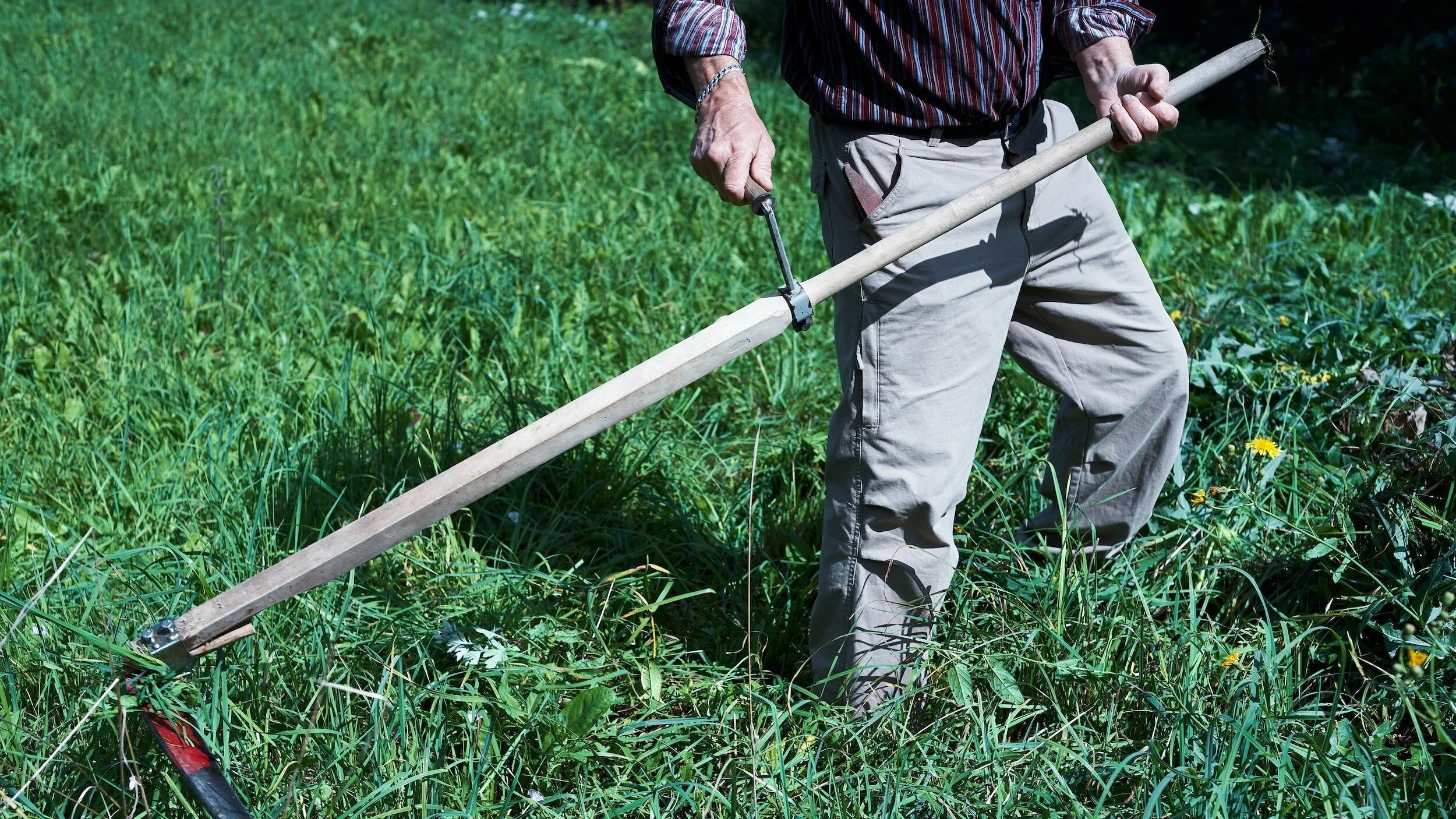
Clear the area: Start by removing any existing grass, weeds, or debris from the lawn. You can use a spade, shovel, or a sod cutter to strip off the top layer of vegetation.
Level the surface: Use a garden rake or a lawn levelling tool to even out the soil surface. Remember the less lumps and bumps in the surface now, will result in a better finish once the turf goes down
Compact the soil: Use a lawn roller or walk over the entire area to compact the soil lightly. This helps ensure good contact between the turf and the soil.Remove weeds: Spray area with Glyphosate to remove all weeds. Leave for at least 7 (preferably 14) days prior to laying turf. Bear in mind weedkillers only work through the leaf of the weed - not the ground. In most cases it is easier and quicker to bobcat the weeds out.
Install edging*: If you want to separate the lawn from other areas, such as flower beds or walkways, install edging along the perimeter.
Irrigation system*: If you plan to install an irrigation system, it's best to do it before laying the turf. For constant, regular, evening watering - retic is best. Water is key to good healthy turf.
Water the area: Thoroughly water the prepared soil to provide moisture for the turf and to help settle the soil.
Pre-turfing fertilization: Apply a starter fertilizer and soil wetter to the prepared soil according to the manufacturer's instructions. This will provide essential nutrients for the turf's initial growth.
Allow time for soil settlement: It's advisable to let the prepared soil settle for a few days before laying the turf. This allows any air pockets to escape and provides a more stable foundation.
*Optional
Install
Water the area: Thoroughly water the soil to ensure it is moist but not waterlogged. This will help the turf establish better.
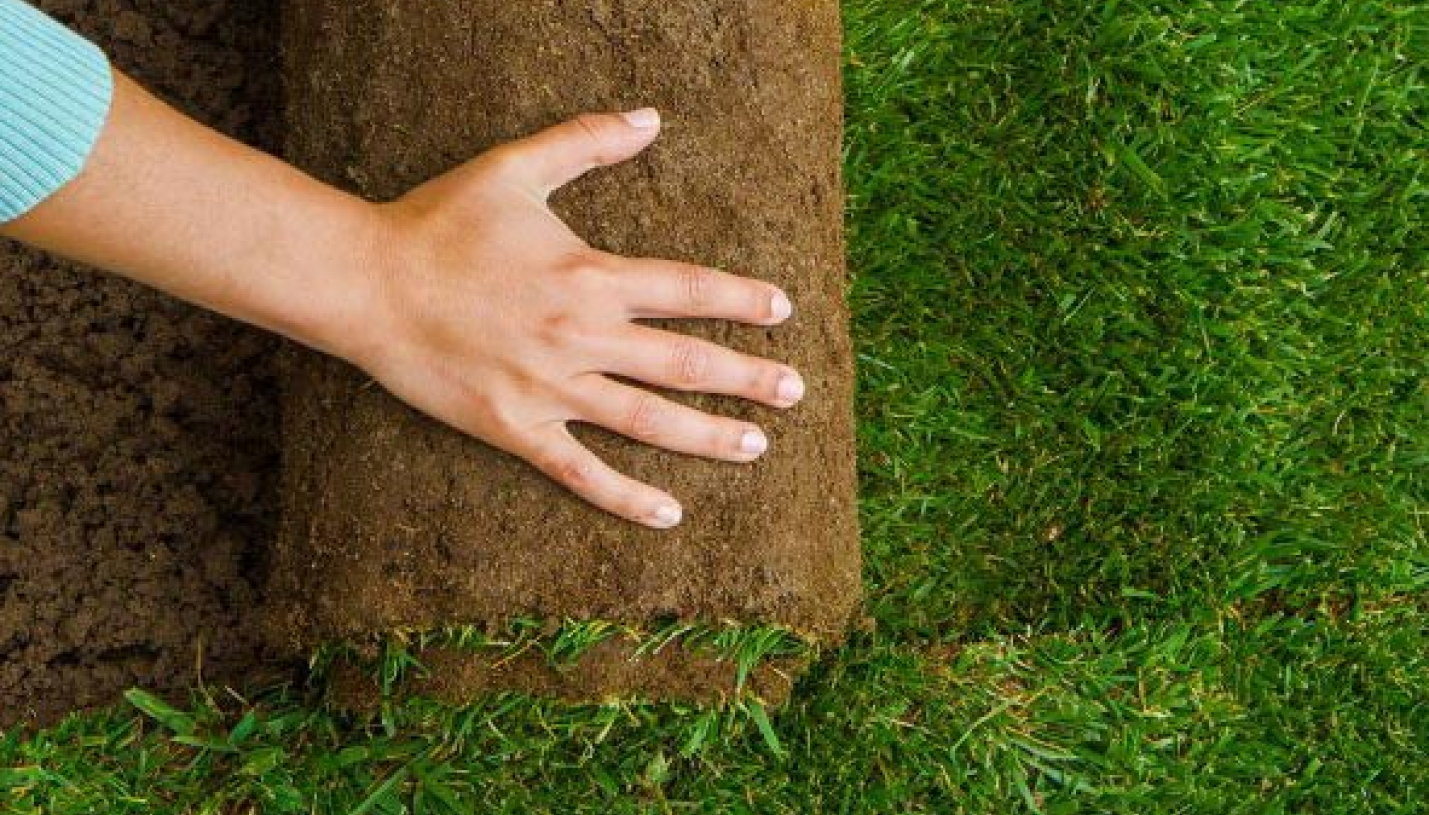
Start laying the turf: Begin by laying the first row of turf along a straight edge, such as a pathway or the perimeter of the area. Unroll the turf, ensuring the edges fit snugly together without overlapping. Use a sharp knife or spade to trim the turf as needed.
Continue laying the turf: Work row by row, staggering the joints like brickwork. Butt the edges of each turf piece tightly against one another, avoiding any gaps. Take care not to walk on the freshly laid turf to avoid damaging it.
Shape and trim: As you approach irregularly shaped areas, use a sharp knife or spade to cut the turf to fit. Take your time to ensure clean cuts and a neat appearance.
Compact and level: Once all the turf is in place, use a lawn roller or simply walk over the turf to press it firmly against the soil. This will help ensure good contact and remove air pockets.

Care
Watering: Immediately after laying the turf, thoroughly water it. Water until you see water seeping through the turf and into the soil below.
Keep the turf moist: For the first few weeks, it's crucial to keep the turf consistently moist. Water the turf 2-3 times daily (depending on season of installation) to prevent it from drying out. Watering guides available from Water Corporation. Water is key to establishment.
Avoid heavy use: During the initial weeks, it's important to minimize foot traffic on the newly laid turf. This allows the roots to establish without disruption. Avoid walking or playing on the turf until it has taken root and is firmly established.
Mowing: Wait until the turf has rooted before mowing. This typically takes around 2-3 weeks, but it can vary depending on the type of turf and season of installation. When mowing for the first time, ensure the blades are set to a high cutting height to avoid stress on the turf.
Fertilizing: 6-8 weeks after laying, your lawn will be ready for its first fertiliser to continue healthy nutrient levels to feed your lawn.