
Spring Lawn Care in November: Essential Tips for a Thriving Lawn
As November arrives and spring reaches its peak, Australian lawns are experiencing their most vigorous growth period of the year. The combination of warmer temperatures, increased daylight, and spring rainfall creates ideal conditions for grass growth—but it also means your lawn requires more attention to maintain its health and appearance. Here are three essential tasks to focus on this month to ensure your lawn stays in prime condition.
Managing Growth with Plant Growth Regulators
If you've noticed your lawn growing at what seems like an unstoppable pace, you're not alone. November's perfect growing conditions often mean mowing more frequently than you'd like. This is where a Plant Growth Regulator (PGR) becomes invaluable. Products like Astro 120 ME work by strategically slowing the vertical growth of your grass while simultaneously encouraging lateral growth.
The result? A lawn that's stronger, healthier, and significantly denser without the constant need for mowing. PGRs redirect the plant's energy from producing tall blades to developing a more robust root system and thicker turf coverage. This not only reduces your maintenance workload but also creates a more resilient lawn that better withstands foot traffic, drought, and competition from weeds. If your mower has been getting a workout lately, now's the perfect time to apply a PGR and enjoy a more manageable lawn through the rest of spring.
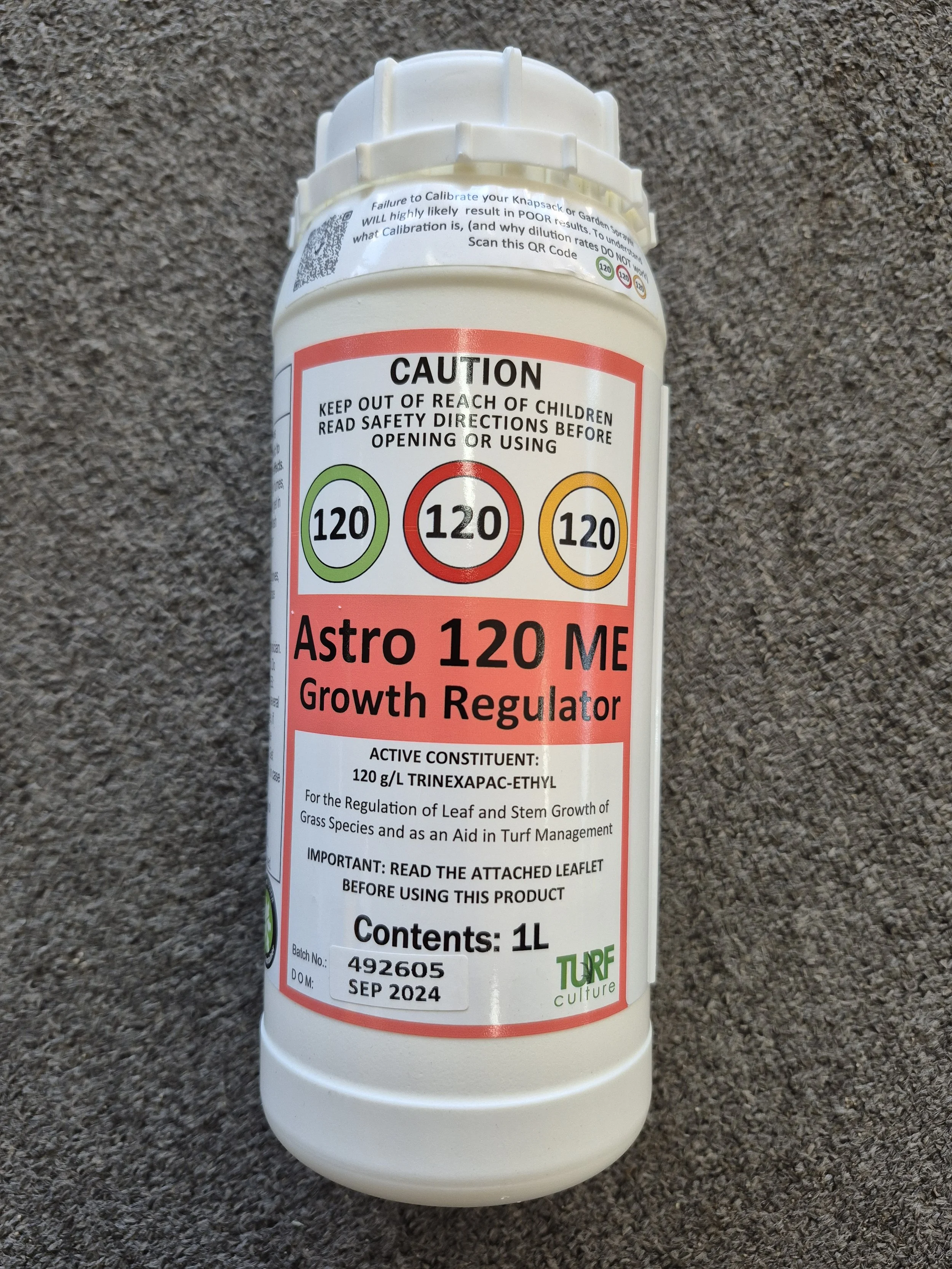
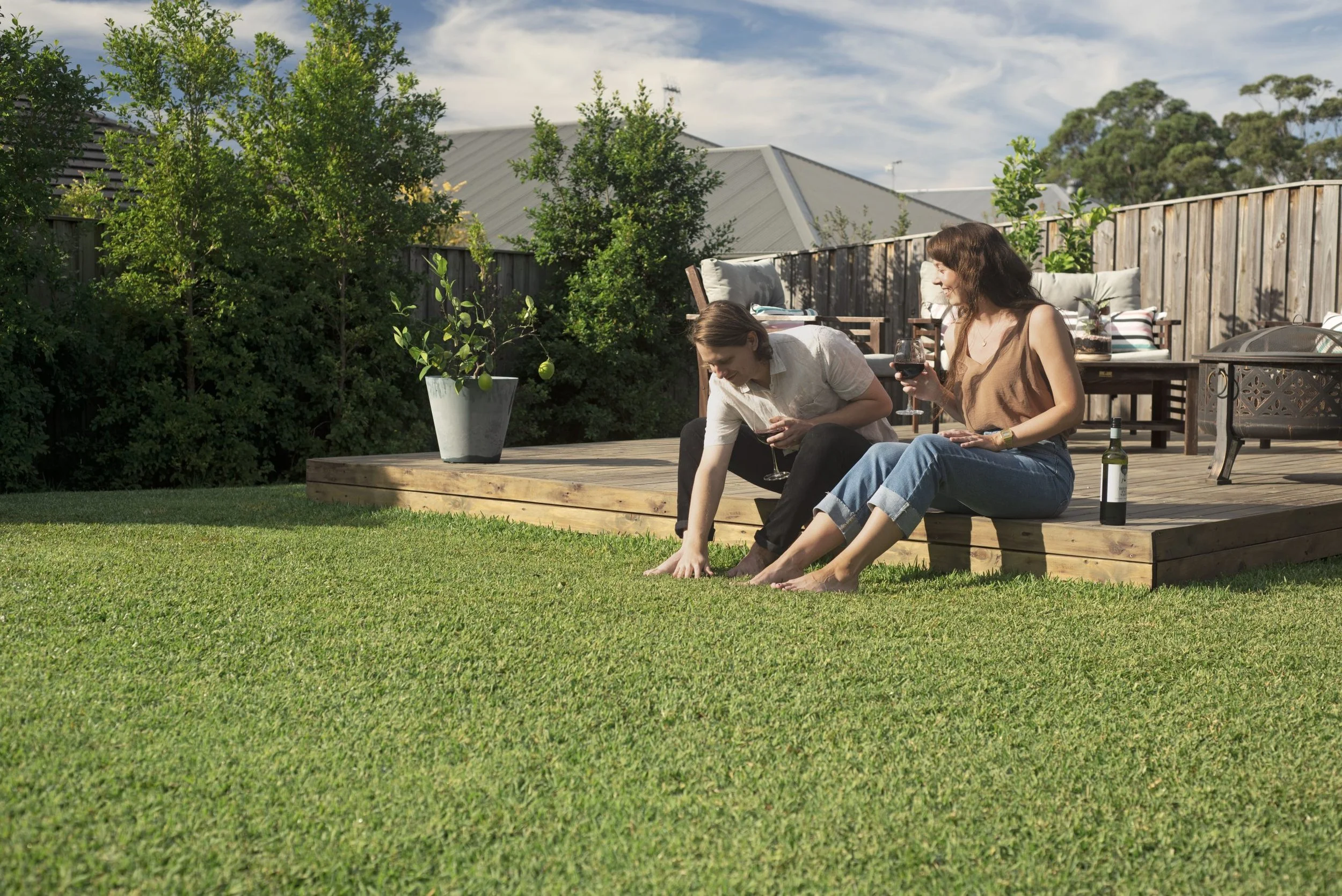
Plant Growth Regulator (PGR) - controls the rate of vertical growth, whilst increasing lateral growth. Results: less mowing and thicker lusher lawn.
Staying Vigilant Against Lawn Pests
November's warm, humid conditions aren't just perfect for grass growth—they're equally appealing to lawn pests. This is prime time for insects like army worms, lawn grubs, and other damaging pests to establish themselves in your turf. The key to effective pest management is early detection and swift action.
Regularly inspect your lawn for telltale signs of pest activity: dead patches appearing seemingly overnight, sections of grass that feel spongy underfoot, or areas where the turf lifts away easily from the soil. You might also notice increased bird activity, as they feed on grubs beneath the surface. At the first sign of pest damage, apply a broad-spectrum insecticide like Surefire Allrounder. Acting quickly prevents minor infestations from becoming major problems that require extensive lawn renovation.


Surefire Allrounder trigger spray is a RTU insecticide for the home and garden, outdoor and plants, trees, shrubs, nonbearing fruit trees and lawn.
Understanding and Managing Seed Heads
Have you noticed your lawn looking slightly different—perhaps with a fuzzy or whitish appearance on top? Those are seed heads, and they're completely natural. All grass types produce seed heads as part of their reproductive cycle, even sterile hybrid varieties. However, excessive seeding often indicates your lawn is experiencing stress.
Common stressors include insufficient watering, nutrient deficiencies, or the adjustment period for newly laid turf. When grass feels threatened, it accelerates seed production as a survival mechanism. To reduce seeding and improve overall lawn health, focus on hydration and nutrition. Apply a quality wetting agent like Bi-Agra to improve water penetration and retention, coupled with a balanced fertilizer such as Applerich Good Stuff to provide essential nutrients. This combination helps your lawn feel more secure and reduces the stress-induced seeding response.


Applerich Good Stuff is a premium granular fertiliser for year-round lawn maintenance, developed with Perth's sandy coastal soils specifically in mind. The formulation delivers rapid green-up with sustained colour and growth through a carefully balanced nitrogen split — 23% total nitrogen with 50% in controlled-release form.
The controlled-release nitrogen component is the key advantage over standard granular fertilisers. Rather than releasing all available nitrogen immediately — which leads to a rapid flush of growth followed by a quick return to pale colour as the nutrient leaches through Perth's free-draining sandy soil — controlled-release nitrogen feeds steadily over 8 to 10 weeks. The result is more consistent colour, more even growth and better value per application.
Iron and potassium are included in the blend for colour depth and stress resistance. Compatible with all turf varieties. Covers 200m² per bag at the standard application rate.
Use Good Stuff as your base granular fertiliser in a program that includes liquid top-ups with Applerich Oh My Goodness between applications for sustained colour through all seasons.
Applerich Good Stuff is:
Suitable for all lawn types.
Can also be integrated with Applerich Oh My Goodness as part of the yearly maintenance program.
Potassium builds strength to cope with stress and disease.
Once watered in, it is safe for pets or people.
What is inside Applerich Goodstuff?
Phosphorus (P)2% Magnesium (Mg)1% Nitrogen (N)23% Iron (Fe) 2.5%
Potassium (K) 13% Controlled Release Nitrogen50%

Bi-Agra wetting agent is a new innovation in the fight against hydrophobic soils. A moisture retaining aid as well it is great for lawns and gardens.

By addressing these three key areas this November, you'll set your lawn up for success through the remainder of spring and into the demanding summer months ahead.
