
Understanding Lawn Seed Heads: Prevention and Management
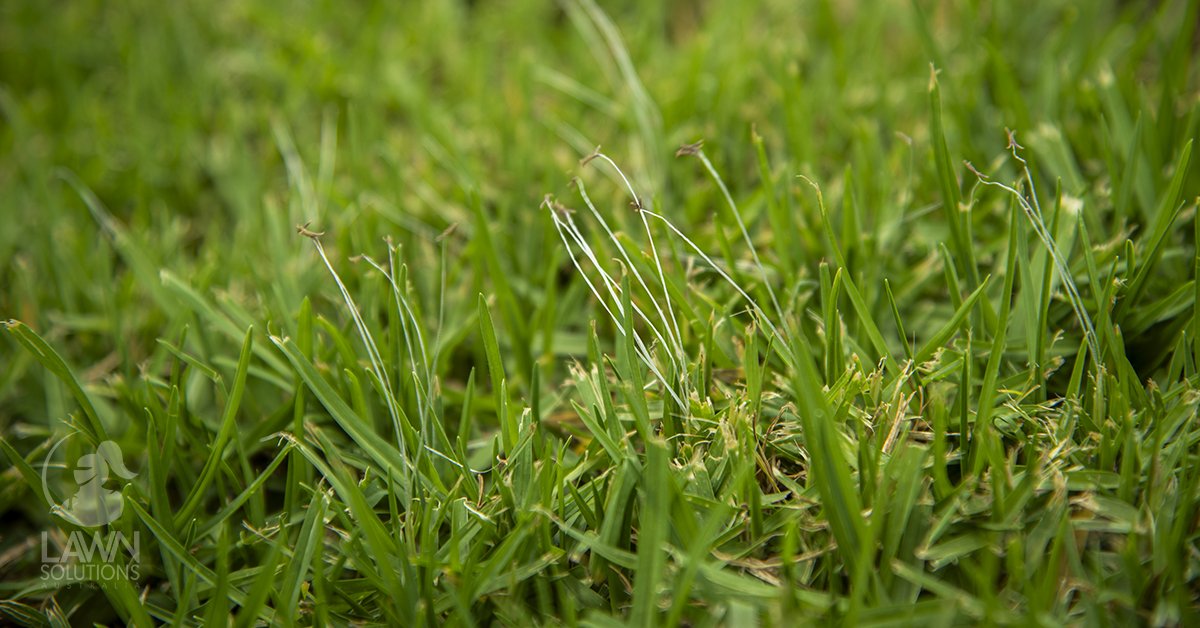
Have you noticed peculiar stalks shooting up from your lawn that look suspiciously like weeds? Before you reach for the herbicide, take a closer look. These are likely seed heads produced by your grass itself, not invasive weeds at all.
What Triggers Seed Head Production?
When grass produces seed heads, it's typically sending a distress signal. Your lawn is responding to environmental stress, most commonly caused by insufficient water or nutrient deficiencies. While seed head formation isn't harmful to your turf's health, it does create an uneven, unsightly appearance and feels rough underfoot rather than soft and inviting.
For most Australian lawn varieties, these seed heads are sterile, meaning they cannot reproduce through seeds. Instead, these grasses spread vegetatively through runners and sprigs. This is good news because it means seed heads won't lead to uncontrolled grass growth in unwanted areas.
The Root Cause
Dramatic weather fluctuations often trigger seed head production as your lawn attempts to reproduce before conditions worsen. Once the weather stabilises or your grass adapts to the change, seed head production typically ceases within a fortnight. However, if you haven't experienced unusual weather patterns, it's time to examine your lawn care routine more closely.
Prevention Through Proper Nutrition
The most effective defence against seed heads is a comprehensive lawn care program centred on consistent watering, regular mowing, and strategic fertilisation. Quality granular fertilisers provide sustained nutrition for your lawn to remain healthy and stress-free.
Products like Knights Coastal Special Lawn Mix, specifically formulated for Western Australian conditions, deliver a balanced combination of nitrogen, phosphorus, and potassium alongside essential trace elements. The beauty of granular fertilisers lies in the slow-release formula, which provides a steady nutrient supply over 8-12 weeks, promoting consistent growth without the stress spikes that trigger seeding.
Other good solutions are Lawn Solutions Australia Premium Fertiliser or Eco-Prime Emerald, which offer similar balanced nutrition suitable for all lawn varieties. These granular options contain both fast-acting and slow-release components, ensuring your lawn receives immediate support while maintaining long-term health.

Knights Coastal Special Lawn Mix is a granular fertiliser formulated specifically for the conditions Perth lawns face — sandy, free-draining coastal soils that leach nutrients quickly, and a climate that demands consistent colour and root health through both dry summers and cooler winters.
The balanced nutrient blend replenishes the nitrogen, potassium and trace elements that Perth's sandy soils cannot hold between applications. Unlike high-nitrogen products that push rapid lush growth, Knights Coastal is formulated for steady, sustained feeding — building genuine root depth and lawn density rather than quick but shallow top growth.
Apply with a rotary spreader at the recommended rate and water in immediately after spreading. Suitable for all lawn varieties including Sir Walter Buffalo, TifTuf, Zoysia Australis and Nullarbor Couch.
Best used as part of a year-round fertilising program with applications in autumn (April/May), late winter (August) and spring (October). The autumn application is the most critical — it builds the nutrient reserves the lawn draws on through winter.
20kg BAGS DO NOT QUALIFY FOR FREE THURSDAY DELIVERY - STORE PICK UP ONLY

Sir Walter Lawn fertiliser has been developed by Lawn Solutions Australia for use on Soft Leaf Buffalo and most other lawn varieties.

Eco-Prime Emerald is a easy to use fertiliser for your lawn. 20 kg bags.
THIS DOES NOT QUALIFY FOR FREE THURSDAY DELIVERY - STORE PICK UP ONLY
Managing Water Stress
In sandy soils common throughout Australia, water management becomes crucial. This is where wetting agents prove invaluable. Hydrophobic soils repel water, creating dry patches that stress your lawn into seed production.
Soil Soak Granular Wetting Agent provides a commercial-grade, long-lasting solution that helps water penetrate your soil profile evenly. For severely hydrophobic conditions, liquid options like Aqua Force or Bi-Agra offer immediate relief, with Bi-Agra providing the dual benefit of improving both water penetration and retention.

Soil Soak Granular Wetting Agent is a long lasting commercial grade non ionic granular wetting agent.

A commercial grade liquid wetting agent for use in severely hydrophobic soils.

Bi-Agra wetting agent is a new innovation in the fight against hydrophobic soils. A moisture retaining aid as well it is great for lawns and gardens.
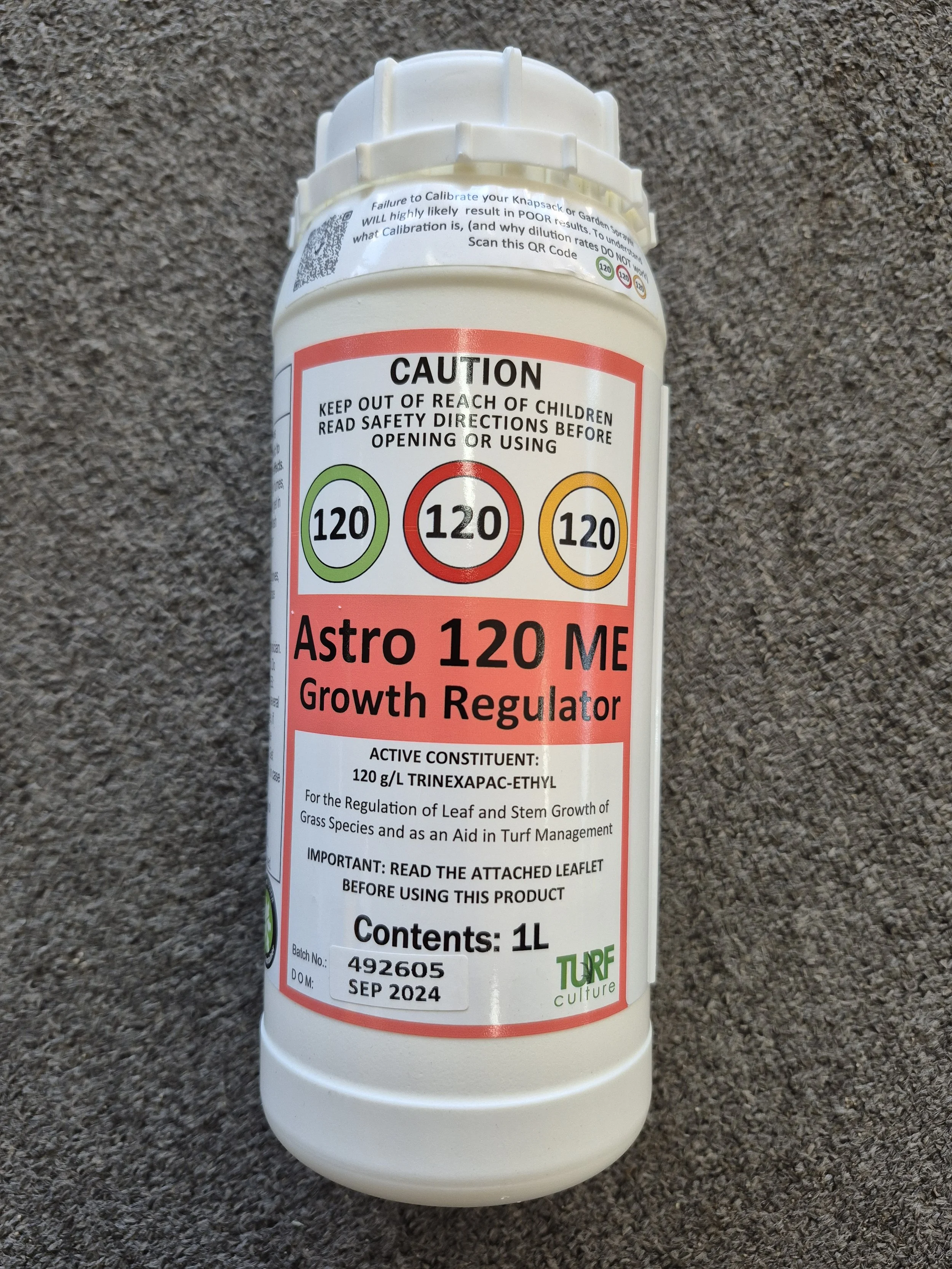
Plant Growth Regulator (PGR) - controls the rate of vertical growth, whilst increasing lateral growth. Results: less mowing and thicker lusher lawn.
The PGR Solution
For homeowners experiencing persistent seeding issues despite proper care, plant growth regulators (PGRs) like Astro 120 ME offer a professional-grade solution. These products limit vertical growth while encouraging lateral development, directly reducing seed head formation.
Combined with frequent mowing (ideally twice weekly during active growth), PGRs redirect your lawn's energy from producing seed heads to developing denser, healthier turf with stronger root systems. The result? A lawn that's not only beautiful but also more resilient to stress, drought, and heat.
Take Action Today
If seed heads are currently plaguing your lawn, start with a deep watering session followed by an application of quality slow-release fertiliser. Address any water-repellency issues with an appropriate wetting agent and commit to a regular mowing schedule. With consistent care using the right products, your lawn will soon return to its lush, seed-free state.
Visit our online shop to find all the granular fertilisers, plant growth regulators, and wetting agents mentioned above, perfectly suited for Australian conditions.