
August Lawn Care Perth: What to Do this Month
Your August
Lawn To-Do List.
August is the month most Perth homeowners underestimate. Winter is winding down, the lawn looks like it has survived reasonably well, and the temptation is to wait for spring before doing anything meaningful.
That's the wrong call. August is the turning point. Soil temperatures are beginning to climb back through the 12 to 15 degree range that triggers growth resumption, and the actions you take right now directly determine how quickly and strongly your lawn comes out of dormancy. A lawn that is fed, aerated and treated in August bounces into spring. One that is left alone waits for conditions to force it.
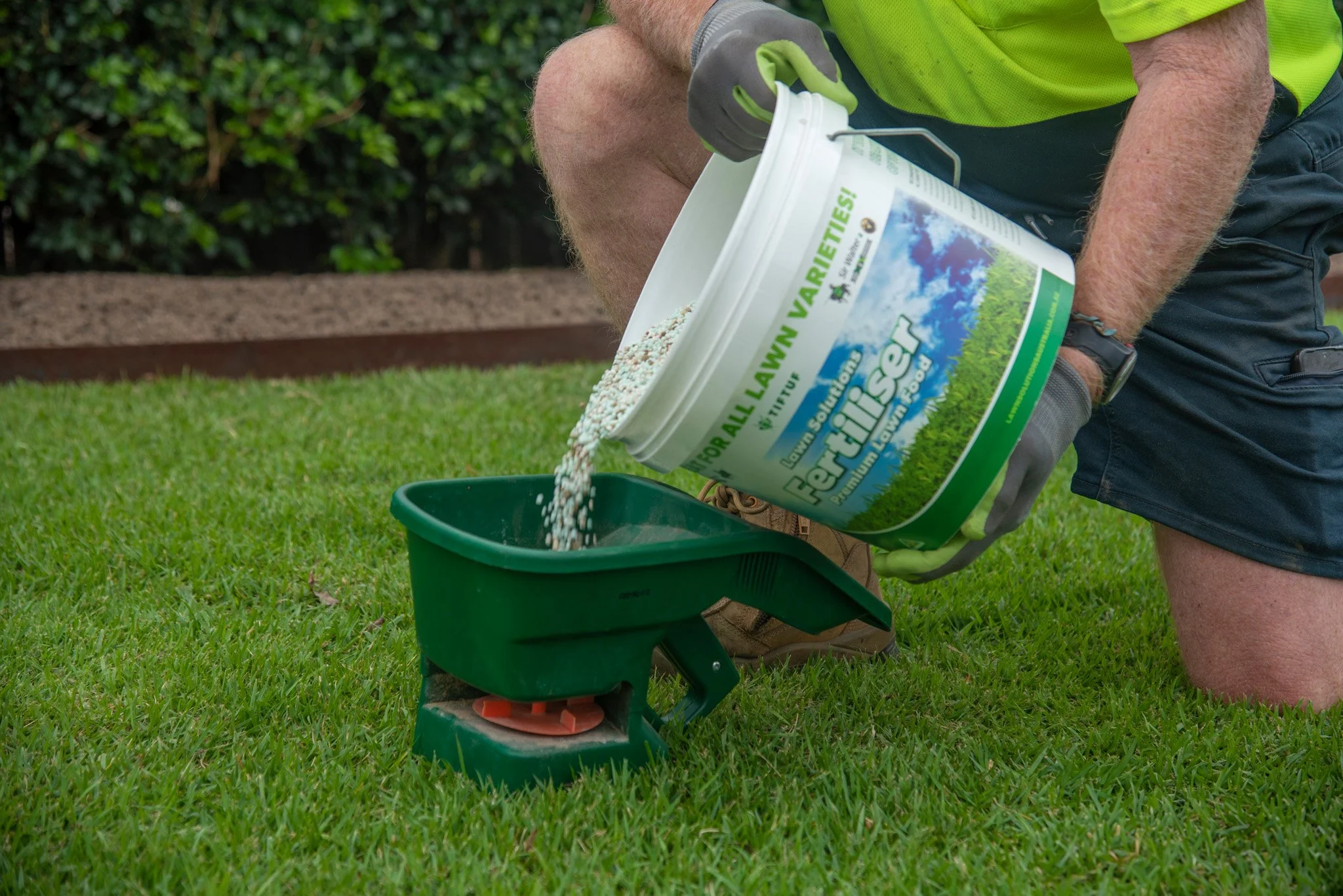
Feed: Your first fertilise since June. Soil is warm enough to start absorbing nutrients again.
Aerate: Winter compaction, heavy rain and reduced growth all compress the soil. Break it open before the growing season starts.
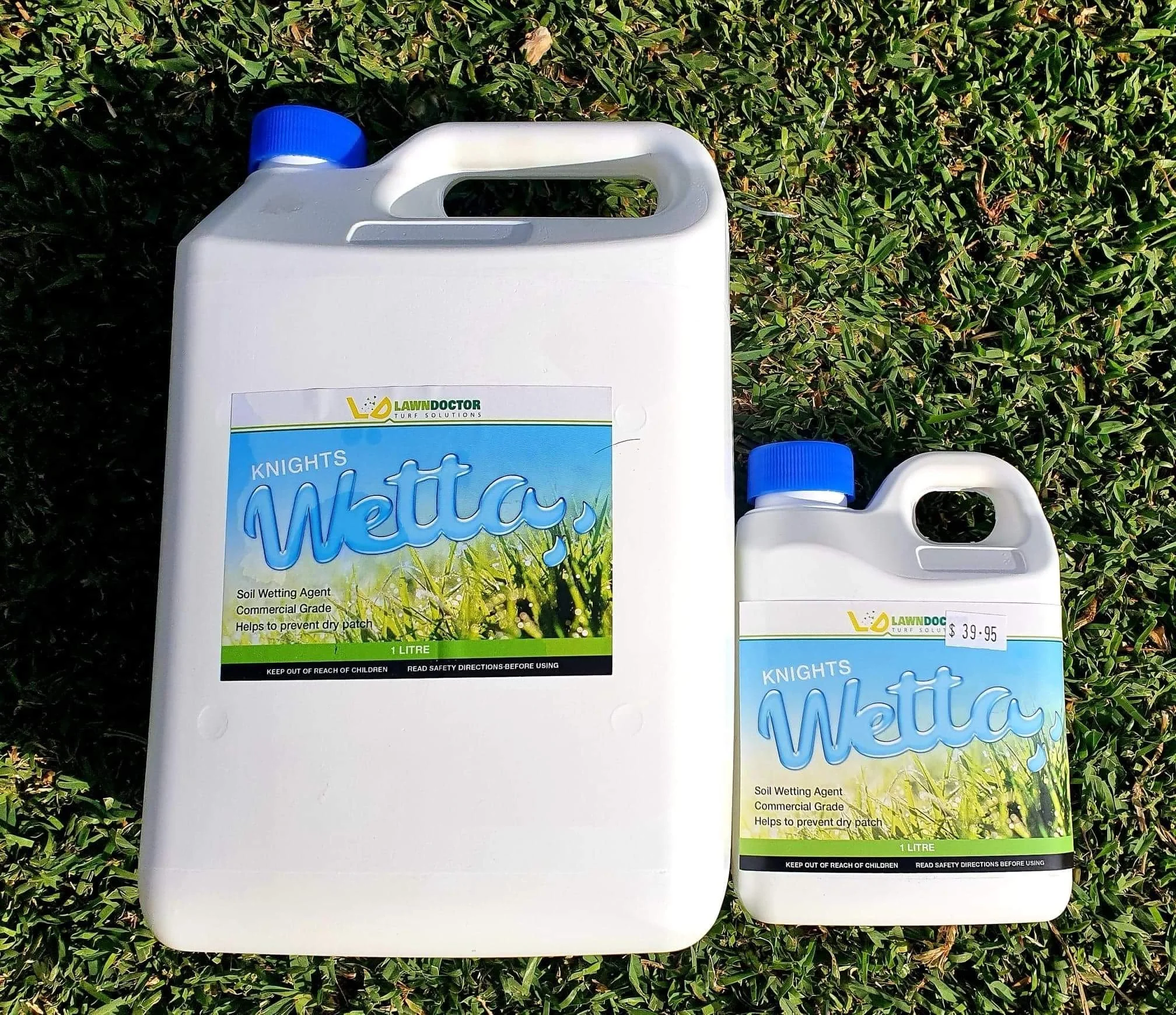
Wetting agent: Apply before the dry season returns, not after dry patch appears.
Mowing: Begin gradually lowering the mowing height back toward your summer setting.
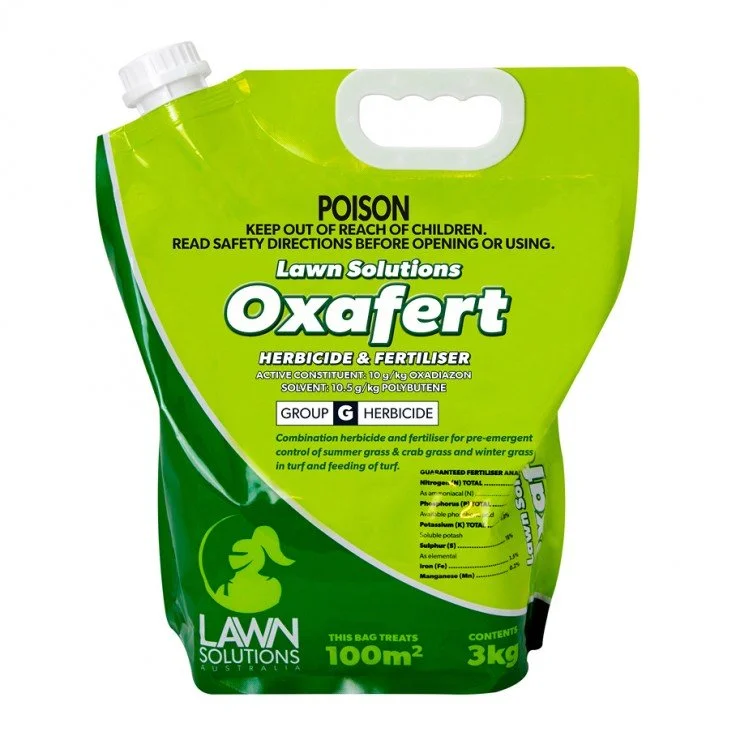
Weeds: Treat any remaining winter weeds now before warm weather drives them to seed.
The five August tasks
August is the first fertilising opportunity since May or June, and it is an important one. Soil temperatures in Perth typically climb back above the 15 degree threshold for effective nutrient uptake around mid-August. Below that temperature, fertiliser applied sits in the soil largely unused — above it, the lawn can absorb and respond to it.
The August feed is about providing the fuel the lawn needs to push new shoot and root growth as conditions improve. Keep the nitrogen rate moderate — you are not trying to force rapid lush growth, which is soft and vulnerable to disease. A balanced granular fertiliser with some controlled-release nitrogen is ideal. Follow with a liquid feed two weeks later if you want to accelerate the colour response.
Do not fertilise if soil temperatures are still consistently cold — a quick check on the Bureau of Meteorology soil temperature data for your area will confirm whether mid-August or early September is the better timing in any given year.
Three months of winter rain, reduced grass growth and normal foot traffic compact the soil surface and thatch layer, reducing the oxygen, water and nutrient movement that roots depend on. Aeration punches through this layer and opens up the profile before the growing season begins.
August is the ideal timing for aeration in Perth. The ground is moist from winter rainfall which makes it easier to penetrate, and the lawn is about to enter its active growing season — meaning it can recover from the process quickly rather than sitting in a stressed state through cold weather.
Core aeration (removing plugs of soil) is more effective than solid-tine spiking for genuine compaction relief. After aerating, apply a top dressing and wetting agent to help the amendments work down into the holes and improve the soil profile below the surface.
This is the most commonly delayed task in Perth lawn care, and the delay is almost always costly. Most homeowners apply a wetting agent when dry patch appears in November or December — by which point the soil hydrophobicity has already been established and the lawn has been stressed for weeks.
August is the right time to apply a wetting agent preventatively. The soil is still moist from winter and the wetting agent can penetrate and distribute evenly through the profile. Applied now, it maintains the soil's ability to accept water as the dry season begins, rather than trying to restore it after hydrophobicity has already set in.
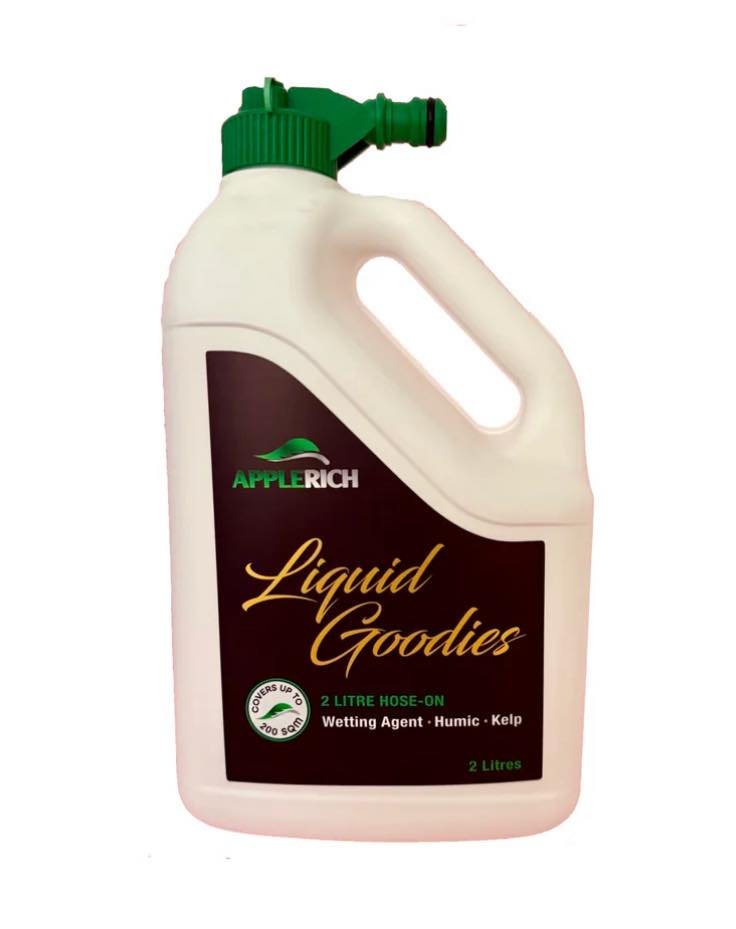
Apply a liquid wetting agent through a hose-on or sprayer and water in thoroughly. Plan to reapply every 6 to 8 weeks through the summer months.
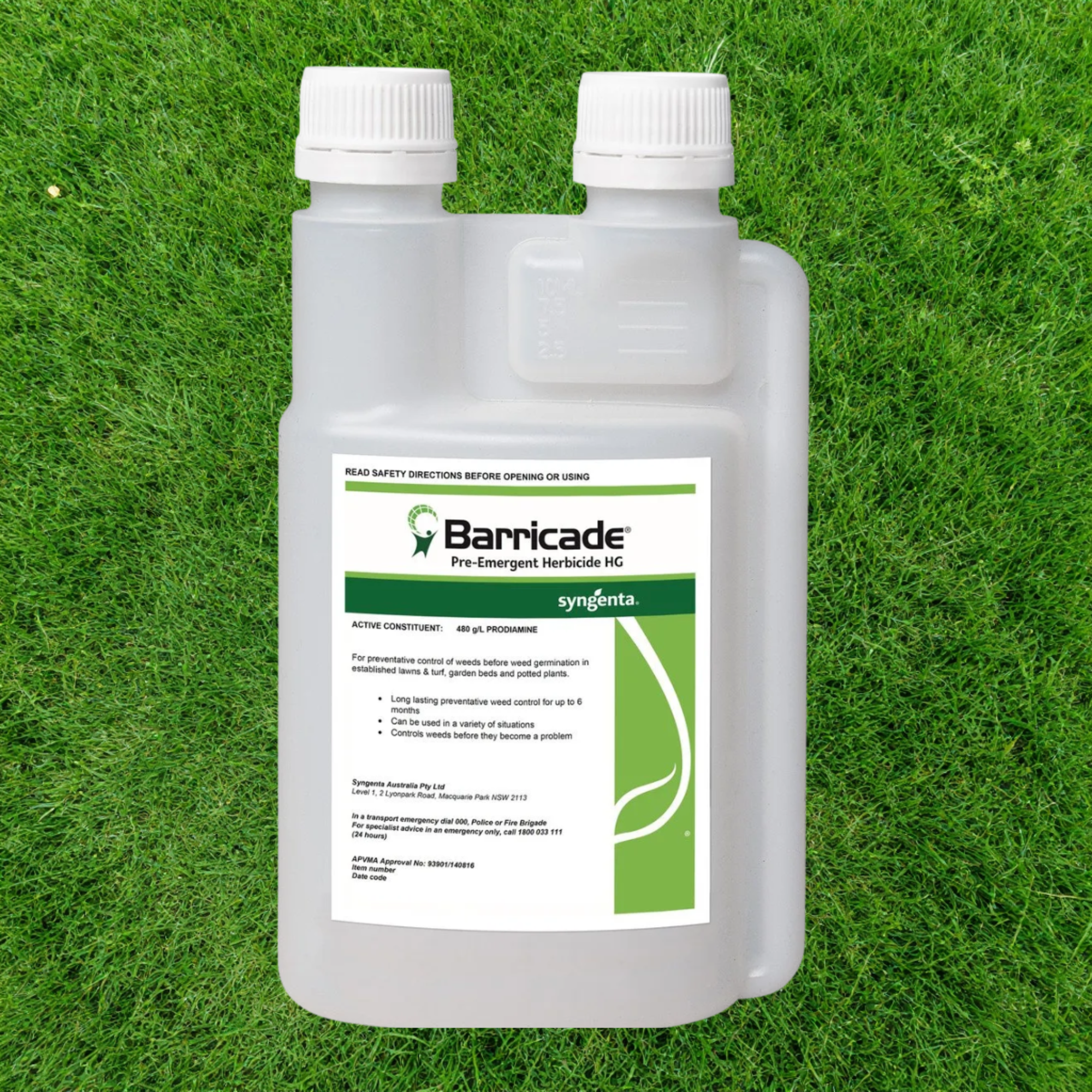
Any wintergrass, oxalis or broadleaf weeds that survived your May pre-emergent application or broke through during winter need to be dealt with in August before warm temperatures trigger their seed production. A weed that sets seed in September can produce hundreds or thousands of seeds that overwinter in the soil and germinate again next May.
Spot spray visible weeds with a selective post-emergent herbicide appropriate for your turf variety. Remove any clumps that are large enough to pull by hand — larger wintergrass clumps are often easier to remove manually than to kill chemically without risking surrounding turf.
Once treated, consider applying a pre-emergent in September ahead of the summer weed germination window. Crabgrass and summer grass become active as soil temperatures continue to rise through spring.
If you raised your mowing height at the start of winter as recommended, your lawn has been running at 5 to 10mm above its summer setting for the past three months. August is the time to start bringing it back down gradually — one notch per mow over three or four cuts rather than dropping it back to summer height in a single session.
Dropping mowing height too quickly removes too much leaf at once, stresses the plant and can scalp sections of the lawn where the surface is slightly uneven. A gradual reduction gives the lawn time to adjust and produce new lateral growth at the lower height before the full summer mowing program resumes in October.
Check your mower blade while you're at it. A blunt blade tears the leaf rather than cutting it cleanly, leaving a ragged brown tip that makes the lawn look dull even when it is otherwise healthy. Sharpen or replace the blade at the start of each growing season.
Bonus task — check for fungal damage and treat now if needed
Some lawns emerge from winter with patches of brown or thinned turf that didn't recover as expected. Before assuming the lawn is slow to green up, check whether fungal disease has caused damage that won't self-correct. Brown patch and take-all root rot in particular can leave dead zones that need active treatment and recovery time before they return to full coverage.
The test: tug a handful of grass in the affected area. If the plant lifts away easily with minimal root system attached, fungal damage is the likely cause. Apply a systemic fungicide, reduce watering frequency in the affected area and give the surrounding healthy turf time to grow laterally into the gap.
Products for your August program


Get August sorted this weekend
Everything you need
in one place.
All products available online with delivery across Perth, or come in to our Wangara store and talk to the team. We can help you build the right August program for your variety and block.